29 Oct

IPTV subscription Canada is a popular search for viewers who want more flexible ways to watch live TV, movies, sports, news and family entertainment through an internet connection instead of a traditional cable box.
If you are comparing options for your household, the good news is that you do not need to be a tech expert. Foxtele IPTV Canada helps everyday viewers understand what matters before they choose an IPTV service in Canada.
A lot of viewers are simply trying to lower a cable bill, watch on a Fire TV Stick, or make better use of the internet they already pay for every month.
This guide explains IPTV plans, pricing factors, features, devices and buying questions in plain language, with a Canadian lens.
By the end, you will have a calmer, clearer way to compare IPTV subscription Canada options without getting lost in technical language or flashy promises.
What an IPTV Subscription Canada Usually Includes
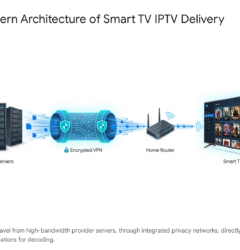
An IPTV subscription Canada plan usually gives you access to television content through an app or media player that runs on your internet-connected device. Instead of receiving channels through a coaxial cable line or satellite dish, your device streams the content over your home internet.
In everyday terms, it feels closer to using Netflix, YouTube or a sports streaming app than using an old cable terminal. You open an app, sign in or load your subscription details, choose what you want to watch, and stream it on your screen.
Different IPTV services can be set up in different ways, but most subscriptions may involve some combination of the following:
- Live TV access through an IPTV app
- Electronic programme guide, often called an EPG
- On-demand movies or series, depending on the service
- Support for devices such as Android TV, Fire TV Stick or Smart TVs
- Account details such as a username, password, portal URL or playlist
- Customer support for setup or troubleshooting
It is important to remember that not every IPTV subscription Canada plan includes the same features. Some services focus on live TV. Others place more emphasis on on-demand libraries, multi-device use, or simple setup for less technical households.
If you are new to the idea, it may help to first understand the basics of how internet television works. Foxtele has a helpful beginner guide on what IPTV means for Canadian viewers in 2026, which explains the difference between IPTV, cable and regular streaming services in more detail.
For most Canadian homes, the practical question is not only “What channels can I watch?” but also “Will this fit my living room, my devices, my internet plan and my family’s viewing habits?” That broader picture is what makes plan comparison so important.
How to Compare IPTV Subscription Canada Plans
- List what your household actually watches most often, such as news, sports, movies, kids’ shows or multicultural programming.
- Check which devices you want to use, including Smart TV, Fire TV Stick, Android box, tablet or phone.
- Compare the plan length, renewal rules and whether you are comfortable with a short-term or longer-term subscription.
- Look for practical features such as an easy guide, catch-up options, customer support and clear setup instructions.
- Review the internet speed and Wi-Fi strength in the room where you watch TV most often.
- Read the provider’s terms, refund policy, support process and any usage limits before paying.
- Start with the option that feels easiest to manage, not necessarily the one with the longest feature list.
That simple checklist can save a lot of frustration. Many viewers start by asking, “How many channels do I get?” but in most cases that is not the only question that matters. A very large list is not helpful if the app is confusing, support is hard to reach, or the service does not work well on the device in your home.
Think of an IPTV subscription Canada plan the way you would think about buying a phone plan. The headline offer matters, but so do the details: where you use it, what is included, how support works, and whether the plan fits your real life.
A good comparison process should include both content and convenience. For example, a family in Mississauga may care about local news, sports and kids’ entertainment. A retiree in Québec may care more about French-language programming and an easy remote-control experience. A student in Vancouver may want something that works well on a laptop, tablet and shared apartment Wi-Fi.
Here are the main comparison points to keep in mind:
- Ease of setup for your device
- Clarity of plan terms
- Support availability and response quality
- Compatibility with your internet connection
- Programme guide usability
- Reasonable expectations around performance
If you want a deeper buyer’s checklist, read this guide to choosing an IPTV provider in Canada. It walks through practical checks that are useful before you commit to any service.
Plan Lengths: Monthly, Quarterly and Annual Options
IPTV subscription Canada plans are commonly presented by length of service. You may see short-term options, medium-term options and longer-term renewals. The exact structure depends on the provider, so always read the plan details carefully before signing up.
A monthly plan can be attractive because it gives you flexibility. If you are trying IPTV for the first time, a shorter commitment may feel more comfortable. It lets you test how the app works, how your Wi-Fi handles streaming, and whether the viewing experience fits your household.
Quarterly or multi-month plans may appeal to viewers who already feel comfortable with the service and want fewer renewal reminders. Annual options may be presented as a longer commitment, but they are not automatically the best choice for every home. A longer term only makes sense if you understand the service, know it works well on your devices, and are comfortable with the provider’s terms.
Here is a simple way to think about plan length:
- Monthly: best for testing and flexibility
- Three-month: useful once you are more confident
- Six-month: better for steady users who know their setup
- Annual: only sensible when you trust the fit and terms
Plan length should also match your lifestyle. Snowbirds, renters, students and families with changing schedules may prefer more flexibility. A household that watches daily in the same home may be more comfortable with a longer plan, provided the service meets their needs.
One calm rule helps: do not buy a long plan just because it sounds like a better deal. First confirm that the service works for your TV, internet, viewing habits and comfort level.
Pricing Factors That Influence IPTV Subscription Canada Costs
When people search for IPTV subscription Canada pricing, they often want a simple number. In reality, pricing can vary because different services package features, support and plan lengths differently. Instead of focusing only on the lowest advertised cost, it is safer to look at what affects the value of a subscription.
Common pricing factors may include:
- The length of the subscription term
- The number of devices or connections allowed
- The type of setup support offered
- Whether an electronic programme guide is included
- Access to replay, catch-up or on-demand features
- The provider’s customer support process
- App compatibility and ease of installation
The cheapest option is not always the most economical. If a plan is confusing, difficult to set up, or poorly supported, you may spend more time troubleshooting than watching. For a lot of viewers, especially families and seniors, ease of use has real value.
At the same time, a higher price does not automatically prove better quality. You still need to check what is included, what is clearly explained, and whether the provider gives you enough information to make an informed choice.
Be cautious with any offer that sounds unrealistic or uses pressure tactics. Phrases such as “limited time only,” “guaranteed everything,” or “never buffers” should be treated carefully. Streaming performance can depend on many factors, including your internet plan, router, Wi-Fi signal, device age and the app you use.
For Canadian households, the real question is value. A plan has better value when it is understandable, compatible with your home setup, supported by clear instructions, and suitable for what you actually watch.
A practical value check looks like this:
- Can you understand what you are buying?
- Can you use it on the device you already own?
- Is support available if setup is confusing?
- Are renewal terms easy to understand?
- Does the service match your household’s viewing habits?
When those answers are clear, comparing pricing becomes much easier and less stressful.
Features Canadian Viewers Should Look For
The best IPTV subscription Canada plan for one household may not be the best for another. A sports fan, a family with young children, a movie lover and a bilingual household may all want different things. That is why it helps to compare features in a practical way.
Start with the viewing guide. A good electronic programme guide makes IPTV feel more familiar, especially for people coming from cable. Instead of scrolling through a plain list, you can see what is on, what is coming next, and sometimes programme descriptions.
Then consider device support. Many Canadian viewers use a Fire TV Stick, Android TV box, Smart TV, tablet or phone. The easier it is to install and navigate the app, the more likely everyone in the home will actually use it.
Useful features may include:
- Simple app navigation
- Search function for channels or programmes
- Favourites list for regular viewing
- Parental controls where available
- Programme guide with clear time zones
- Support for common Canadian home devices
- Clear setup instructions in plain language
Time zone handling matters more than many people realize. Canada spans multiple time zones, so viewers in British Columbia, Alberta, Ontario, Québec and Atlantic Canada may notice differences in schedules. A clear guide helps reduce confusion.
For households with children or shared TVs, favourites and categories can make daily use much easier. Instead of scrolling through long lists, you can keep preferred channels or sections within reach.
If you plan to watch on a Smart TV, app selection matters. Different TV brands may support different apps, and not every app feels beginner-friendly. Foxtele also has a practical guide on selecting IPTV apps for Smart TVs in Canada, which can help if you want to avoid a complicated setup.
The main goal is simple: choose features that make watching easier, not features that only sound impressive in an advertisement.
IPTV Subscription Canada vs Cable and Streaming Apps
A helpful way to understand IPTV is to compare it with the options many Canadians already know: traditional cable and standalone streaming apps. Each choice has strengths and trade-offs, and the right answer depends on how your household watches TV.
Traditional cable is familiar. You receive service through a cable provider, often with a set-top box, a remote and a channel guide. It may be simple for some homes, but it can also come with equipment, bundles, contracts or a cable bill that feels higher than expected.
Standalone streaming apps, such as major on-demand platforms or broadcaster apps, are usually focused on specific libraries or brands. They can be excellent for movies, series or specific sports packages, but a household may need several apps to cover different interests.
An IPTV subscription Canada option sits somewhere in the middle for many viewers. It uses internet delivery and app-based viewing, but it may feel more like channel-based television than a single on-demand app.
Here is a plain-language comparison:
- Cable: familiar guide, provider equipment, traditional billing
- Streaming apps: strong on-demand libraries, separate subscriptions
- IPTV: internet-based TV experience, often app-driven
- Antenna TV: limited local over-the-air channels where reception works
For Canadian viewers, the decision often comes down to convenience, cost control and content habits. Someone who mainly watches local news from sources such as CBC, CTV, Global or Citytv may think differently from someone focused on sports through brands such as TSN, Sportsnet, RDS or TVA Sports. Availability depends on the specific service and rights, so you should always verify details directly before subscribing.
Do not assume any IPTV service is affiliated with or officially connected to well-known broadcasters unless the provider clearly proves that relationship. This is an important point for responsible buying.
The best comparison is not “IPTV is always better” or “cable is always worse.” The better question is: which option gives your household the most comfortable, reliable and understandable way to watch what you value most?
Devices and Apps: What You Need at Home
Most IPTV subscription Canada services require a compatible device and an app. The good news is that many homes already have something that can work, such as a Smart TV, Fire TV Stick, Android TV device, tablet, phone or computer.
Your device affects the experience more than you might expect. A newer streaming device with a simple remote can feel smooth and easy. An older Smart TV with limited app support may feel slow or confusing. If the device is underpowered, even a good internet connection may not feel as good as it should.
Common device options include:
- Amazon Fire TV Stick
- Android TV or Google TV devices
- Compatible Smart TVs
- Android phones and tablets
- iPhone or iPad with supported apps
- Windows or Mac computers, depending on the setup
For many Canadian viewers, a Fire TV Stick or Android TV device is popular because it can be added to an existing TV without replacing the screen. It is usually small, affordable and easy to move between rooms, although app setup and compatibility still need to be checked.
If you are not technical, ask the provider what information you will receive after subscribing. You may need login details, a server or portal address, or instructions for a specific app. The clearer those instructions are, the easier your first evening will be.
Before subscribing, confirm these basics:
- Which app is recommended?
- Does the app work on your exact device?
- Will you receive setup instructions?
- Can support help if installation fails?
- Do you need one connection or more than one?
In most cases, the simplest setup is the best setup. If your goal is relaxing after dinner, you do not want a complicated system that only one person in the house understands.
Internet Speed, Wi-Fi and Home Setup Tips
Because IPTV uses your internet connection, your home network plays a big role in the viewing experience. This does not mean you need to become a networking expert. It simply means you should check a few basics before blaming the service, the app or the device.
Streaming depends on several things working together: your internet plan, the modem, the router, the Wi-Fi signal, the device and the app. If any one part is weak, you may notice buffering, freezing or slower loading.
Helpful home setup tips include:
- Place your router in a central, open area if possible
- Avoid hiding the router in a cabinet or basement corner
- Use a wired Ethernet connection for the main TV when practical
- Restart your modem and router occasionally
- Keep streaming devices updated
- Close unused apps on older devices
Wi-Fi strength can change from room to room. A TV in the basement may not receive the same signal as a phone beside the router. Thick walls, concrete, appliances and distance can all affect performance.
For households with several people online at once, evening usage matters. If one person is gaming, another is on a video call, and someone else is streaming in high quality, your connection has to handle all of that at the same time.
If you experience buffering, try these calm troubleshooting steps:
- Restart the streaming device
- Restart the router
- Move closer to the router if using Wi-Fi
- Test another app to compare performance
- Try a wired connection if available
- Contact support with clear details
When contacting support, describe the issue clearly. For example, say whether it happens on all channels or only some, whether other apps work, what device you use, and whether the problem happens at a certain time of day. Clear details help support narrow down the cause.
The good news is that many common viewing problems are caused by setup issues that can be improved. A better router position, updated app or wired connection can make a noticeable difference.
Sports, News and Canadian Viewing Habits
Canadian viewers often compare IPTV subscription Canada plans based on the content they care about most. For some households, that means hockey, basketball, soccer, football, curling or combat sports. For others, it means local news, weather, French-language programming, multicultural channels or family movies.
Sports fans should be especially careful when comparing services. Sports rights in Canada can be complex, and availability can vary by league, region, broadcaster and package. You should verify any sports-related claim directly with the provider before subscribing.
News viewers may care about quick access to familiar Canadian sources such as CBC, CTV, Global or Citytv. French-language viewers in Québec and across Canada may look for French news, entertainment and sports options, including services and broadcasters that are relevant to their language preferences. Again, availability should always be confirmed before purchase.
Before choosing a plan, write down your “must-watch” list. Keep it short and honest. For example:
- Local evening news
- Hockey nights
- Kids’ cartoons after school
- Weekend movies
- French-language news or entertainment
- International channels for family members
This list helps you avoid being distracted by a huge catalogue that does not match your real habits. A plan with thousands of options may sound exciting, but most households return to the same favourites again and again.
Also consider who controls the remote. A simple guide and favourites list may matter more to grandparents or young children than advanced features. A sports fan may want fast navigation between events. A movie lover may prefer search and categories.
Canada is also a country of varied internet conditions. A condo in downtown Toronto, a house in rural Manitoba and an apartment in Halifax may have very different internet setups. The right IPTV experience depends on both content and connection.
Common Mistakes to Avoid
When shopping for an IPTV subscription Canada plan, most mistakes come from rushing. People see an attractive offer, focus on one detail, and forget to check the practical pieces that affect daily use.
Here are common mistakes to avoid:
- Choosing only by the lowest advertised price
- Buying a long plan before testing the setup
- Ignoring whether your device is compatible
- Assuming every channel or sports event is included
- Not checking support options before paying
- Using weak Wi-Fi and blaming the subscription
- Forgetting to read renewal or refund terms
Another mistake is comparing services only by channel count. A bigger number does not always mean a better experience. Usability, support, guide quality and compatibility are often more important than a long list you rarely use.
Some viewers also forget that IPTV is internet-based. If your home internet is unstable, the viewing experience may be unstable too. Before making a final judgement, check your Wi-Fi, device and router placement.
Be careful with vague promises. If a provider cannot clearly explain setup, device support, plan terms or customer service, that is a sign to slow down. You should feel informed before you pay.
It is also wise to keep expectations realistic. No internet-based service can control every factor inside your home network or across the wider internet. A trustworthy provider should explain this honestly rather than promising perfection.
The safest approach is simple: start with your needs, confirm compatibility, read the terms, and choose a plan length that matches your comfort level.
Questions to Ask Before You Subscribe
Asking a few questions before buying can prevent a lot of stress later. You do not need to ask technical questions. You only need to confirm the details that affect your living room experience.
Good pre-subscription questions include:
- Will this work on my exact device?
- Which app do you recommend for setup?
- Do you provide step-by-step instructions?
- How many devices or connections are included?
- What happens if I need support?
- How does renewal work?
- What is the refund or cancellation policy?
You can also ask about features you personally care about, such as favourites, guide layout, replay options or parental controls. If you watch in more than one room, ask how multi-room use works. If you travel within Canada, ask whether the service is intended for that type of use and what limitations may apply.
For families, it may help to involve the main TV users in the decision. Ask each person what they would actually watch. This prevents paying attention to features nobody needs while missing something important.
Here is a practical example. A couple in Ottawa may want local news, hockey, movie nights and simple remote navigation. A household in Montréal may want French-language options, sports and an app that works well on a Smart TV. A family in Calgary may care about kids’ content, weekend sports and more than one screen. These are different needs, even though all three households are searching for IPTV subscription Canada.
If a provider answers questions clearly and calmly, that is a good sign. If answers feel rushed, confusing or overly promotional, take your time before moving forward.
Final Thoughts
An IPTV subscription Canada plan can be a flexible way to watch television through the internet, but the best choice is the one that fits your household, not the one with the loudest advertisement. Look at plan length, pricing factors, device compatibility, support, internet setup and the content your family genuinely watches.
The good news is that you can make a confident decision by slowing down and checking the basics. In most cases, a clear plan, a compatible device and a stable home network matter more than complicated features. If you are exploring IPTV for the first time, Foxtele IPTV Canada is here to help you compare your options calmly and choose an approach that feels comfortable for your home.
FAQ
What is an IPTV subscription Canada plan?
An IPTV subscription Canada plan is a television service arrangement that delivers content through your internet connection instead of traditional cable or satellite. You usually watch through an app on a compatible device such as a Smart TV, Fire TV Stick, Android TV box, tablet or phone.
How much should I pay for IPTV in Canada?
Pricing varies by provider, plan length, device connections, features and support. Rather than looking only for the lowest price, compare what is included, whether your device is supported, how setup works, and what the renewal or refund terms say.
Do I need a special box for IPTV?
Not always. Many viewers use devices they already own, such as a Fire TV Stick, Android TV device, compatible Smart TV, tablet or phone. The important step is confirming that the recommended IPTV app works properly on your exact device before subscribing.
Is IPTV the same as cable TV?
No. Cable TV is usually delivered through a cable provider’s network and equipment, while IPTV uses your internet connection and an app-based setup. IPTV may feel familiar because it can include live channel-style viewing, but the delivery method is different.
What should I check before choosing an IPTV subscription in Canada?
Check device compatibility, plan length, support options, setup instructions, guide features, internet requirements, renewal terms and your household’s must-watch content. A short checklist is often enough to avoid common mistakes and choose a plan with more confidence.